1. Stay out and call
Keep everyone out of the space and do not touch what you see. The team asks a few questions to plan the job.
Pinch, WV · Kanawha County
Business owners in Pinch who find syringes in a restroom or storeroom can call (877) 812-4220. A cleanup team can remove sharps and residue and clean the room before it reopens.
If anyone is in danger, call 911 first. For a suicide crisis, call or text 988.
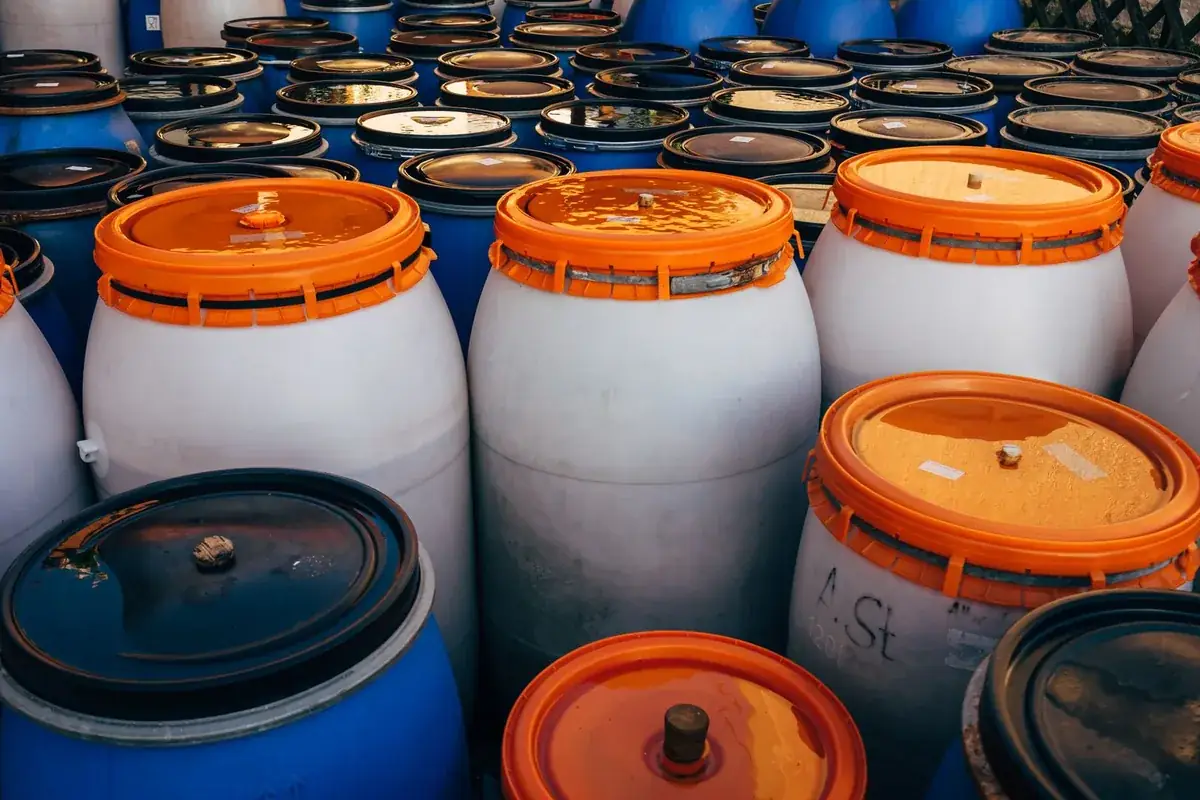
Biohazard cleanup for drug use covers removal of contaminated items, decontamination of surfaces, disposal of soft materials that cannot be cleaned and treatment of lingering odor.
If you are a landlord, property manager or family member in Pinch facing items left behind after drug use, call Pinch Biohazard Cleanup Help. The crew is discreet, explains each step and leaves your property clean and checked across Kanawha County.
Renters make up about 29% of households in Kanawha County, so landlords often need paraphernalia cleared between tenants. If anyone is unresponsive or hurt, call 911. The nearest emergency room to Pinch is Charleston Area Medical Center in Charleston, about 9 miles away.
A typical drug paraphernalia cleanup job includes:
Keep everyone out of the space and do not touch what you see. The team asks a few questions to plan the job.
Sharps come first, then bags, foil, containers and stained linens. Each is sorted into the right container.
Hospital-grade disinfectants go on hard surfaces. Odor treatment follows for lingering smells.
Surfaces are disinfected, odors are treated, and a last walk-through confirms the space is ready.
The cost of drug paraphernalia cleanup in Pinch, WV depends on the amount of material, how it is packed and how it is hauled.
Disposal of sharps and contaminated materials as regulated waste is part of the price, and it changes with the amount.
| Type of job | Typical range |
|---|
Figures are planning ranges from , not a price for any specific Pinch property. Price drivers include amount of material, whether residue is present, surfaces affected, waste disposal. Call (877) 812-4220 any hour.
The owner of the property usually pays at first. Lease terms and local law decide who is responsible in the end. A landlord, an attorney or a tenant rights group can say. Keep any record the cleanup team gives you, since a landlord or insurer may ask for it.
Standard paraphernalia cleanup is about removal, cleaning and disinfection. Testing is a separate step, usually tied to a site where drugs were made. Ask the team and the local health department what testing, if any, applies to your property.
It can be. Used syringes and other sharps can carry bloodborne germs, and residue can harm people who touch or swallow it. A cleanup team can look at what is there and explain how it should be handled. Do not touch it until then.
It can. Once soiled items are removed, a team can treat lingering odor in the air and on surfaces. Ask what methods the team uses and whether odor treatment is part of the plan or a separate step.
Crews wear protective gear, remove sharps and loose items, and then clean hard surfaces with EPA-registered disinfectants. Porous materials such as carpet, padding or upholstery that took in residue may be removed. The team can explain what applies to your space.
Often, yes. Many teams can arrive in an unmarked vehicle and work quietly. If privacy matters, ask about it when you call. The crew shares only what it needs to plan the work.
If anyone is hurt or unresponsive, call 911 first, then call for cleanup.
Call (877) 812-4220